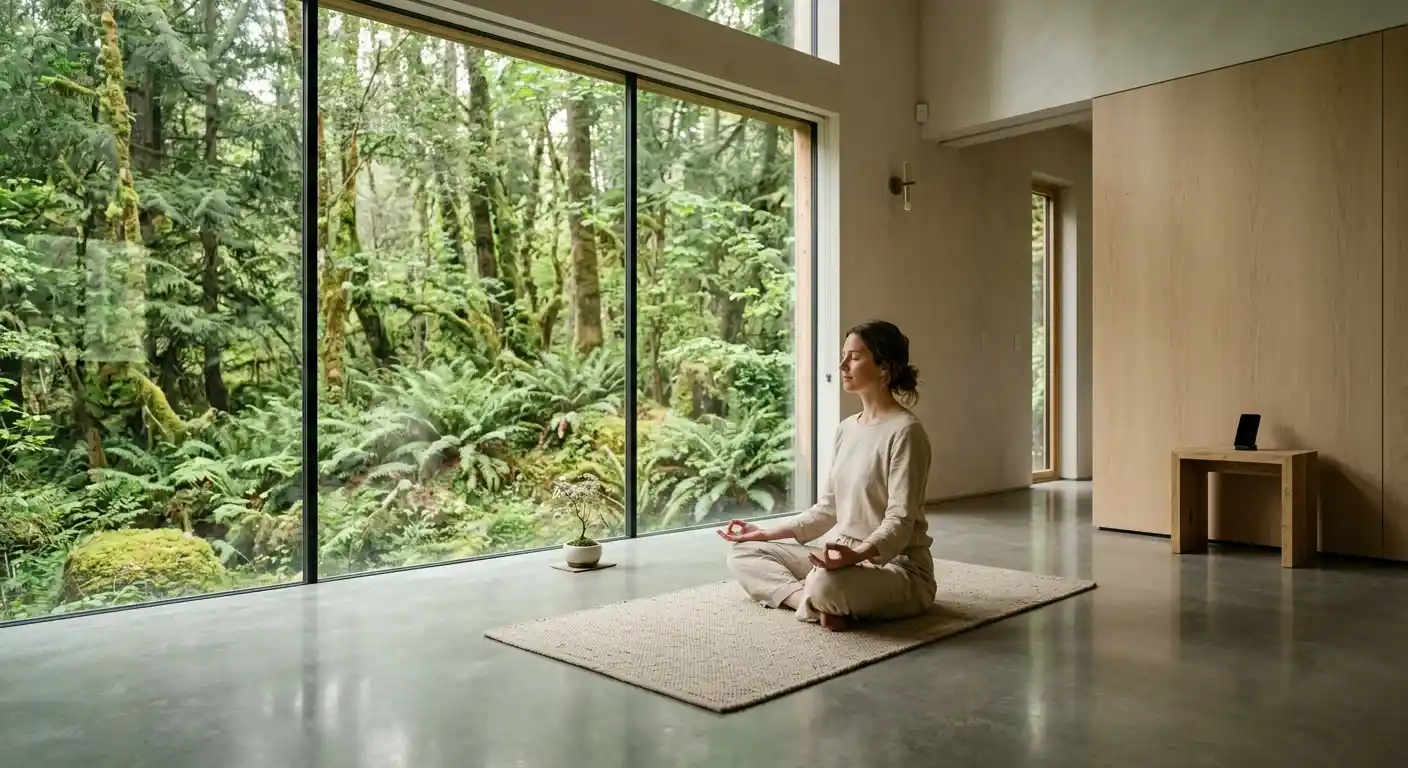
A person practicing mindfulness in a peaceful room with nature views, emphasizing a break from digital devices.
Introduction: The Invisible Crisis of 2026
As we navigate through 2026, the definition of health has expanded far beyond the physical. While we track our steps and calories, a more silent metric—our mental peace—often goes ignored. In a world where "Always On" is the default setting, our brains are being bombarded with more information in a single day than our ancestors processed in a lifetime.
Mental wellbeing is no longer just the absence of illness; it is the presence of resilience. In this 153rd feature of Akhand News, we dive deep into how you can reclaim your focus and protect your mental sanctuary.
1. The Dopamine Economy and Your Brain
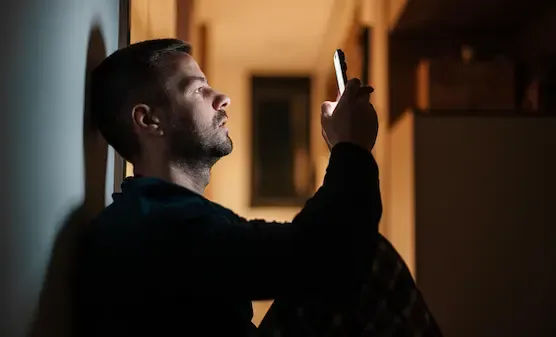
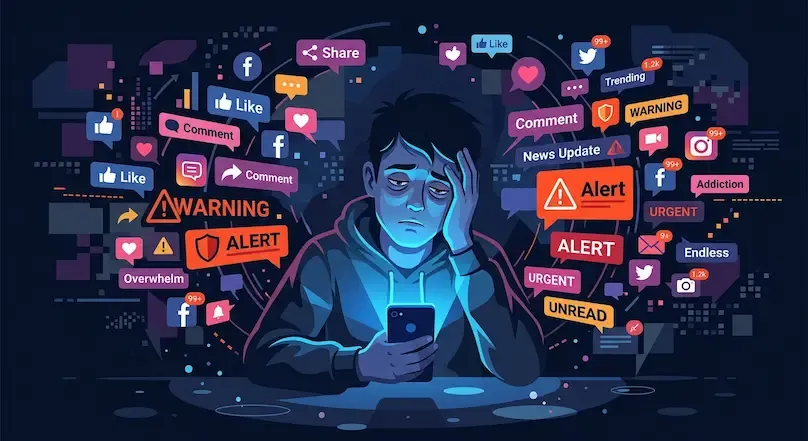
Our smartphones are designed to be "dopamine slot machines." Every notification, like, and scroll triggers a small hit of dopamine, the chemical associated with reward.
- The Overload: Constant stimulation leads to "dopamine baseline" shifts. This means everyday joys—like a sunset or a conversation—start to feel boring because they don't provide the high-intensity hit of a viral video.
- The Solution: Dopamine Fasting. Setting aside "Analog Hours" where no screens are allowed. This helps reset your brain's reward system, allowing you to find pleasure in slow, meaningful activities again.
2. The "Right to Disconnect"
In 2026, the boundary between "Work" and "Life" has blurred significantly due to remote and hybrid models. Mental exhaustion often stems from the feeling that you are never truly "off the clock."
- Setting Boundaries: Mental wellbeing requires strict "Hard Stops." Deciding that after 7:00 PM, work emails and messages will not be checked is not a luxury—it is a necessity for cognitive recovery.
- Cognitive Load Management: Our brains have a finite amount of "Decision Capital" each day. By automating small tasks and reducing digital noise, we save our mental energy for things that truly matter.
3. Mindfulness: Beyond the Trend
Mindfulness is often misunderstood as just "sitting still." In reality, it is the practice of being present in the current moment without judgment.
- Micro-Mindfulness: You don't need a 30-minute meditation session. Taking three deep, conscious breaths before answering a phone call or fully feeling the temperature of the water while washing your hands are forms of micro-mindfulness that lower cortisol (the stress hormone) instantly.
- The Science: Functional MRI scans show that regular mindfulness practice can actually shrink the amygdala—the part of the brain responsible for the "fight or flight" fear response.
4. The Impact of "Nature Deficit"
Urban living in 2026 has led to what psychologists call "Nature Deficit Disorder." We are biological beings living in a technological world.
- Biophilia: Human beings have an innate tendency to seek connections with nature. Even 20 minutes in a park (the "20-minute nature pill") has been shown to significantly drop stress levels.
- Grounding: Walking barefoot on grass or simply looking at natural green patterns can synchronize our internal rhythms and improve sleep quality.
5. Sleep: The Ultimate Mental Filter
Sleep is when the brain performs "autophagy"—a cleaning process where metabolic waste is washed away.
- The Blue Light Myth: It's not just the light; it's the content. Scrolling through news or social media before bed keeps the brain in an "alert" state.
- The 3-2-1 Rule: No food 3 hours before bed, no work 2 hours before, and no screens 1 hour before. This ensures your brain transitions from "Beta waves" (alert) to "Alpha and Theta waves" (relaxed).
6. Social Connection in a Lonely World
Despite being more "connected" than ever, 2026 sees record levels of loneliness. Digital likes are not a substitute for physical presence.
- Quality over Quantity: One deep conversation with a friend is worth more for your mental health than 1,000 followers.
- The Power of Community: Engaging in local groups, sports clubs, or hobby circles provides a sense of "belonging" that is a core pillar of psychological safety.
7. When to Seek Professional Help
We must de-stigmatize therapy. Just as you go to a gym for your body, seeing a therapist is "mental training."
- Warning Signs: Persistent irritability, changes in sleep patterns, loss of interest in hobbies, and chronic fatigue are signals from your body that your "Mental Battery" is critically low.
- The Future of Therapy: In 2026, AI-assisted tools and tele-therapy have made support more accessible, but the human connection remains the gold standard for healing.
Conclusion: Your Mind is Your Greatest Asset
As Akhand News hits the 153-article milestone, we want our readers to remember: You cannot pour from an empty cup. Protecting your mental wellbeing is the most productive thing you can do.
In a world that profits from your distraction, being focused and peaceful is a revolutionary act. Start small—put the phone down, take a breath, and look around. Your mind will thank you.
Disclaimer: The information provided in this article, including tips, suggestions, and diet plans, is for educational and informational purposes only. It is not intended to be a substitute for professional medical advice, diagnosis, or treatment. Always seek the advice of your physician or a qualified health provider with any questions you may have regarding a medical condition or dietary changes. Akhand News does not claim responsibility for any side effects or health issues arising from the use of the information provided above.