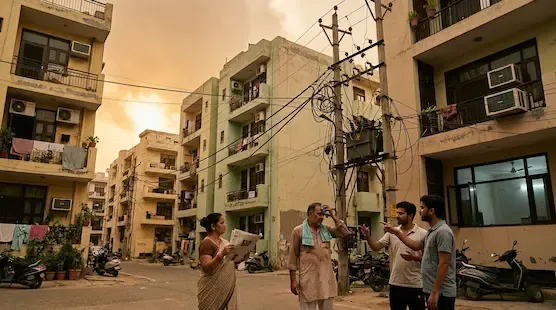
India heatwave and rising electricity demand causing pressure on the national power grid in residential areas
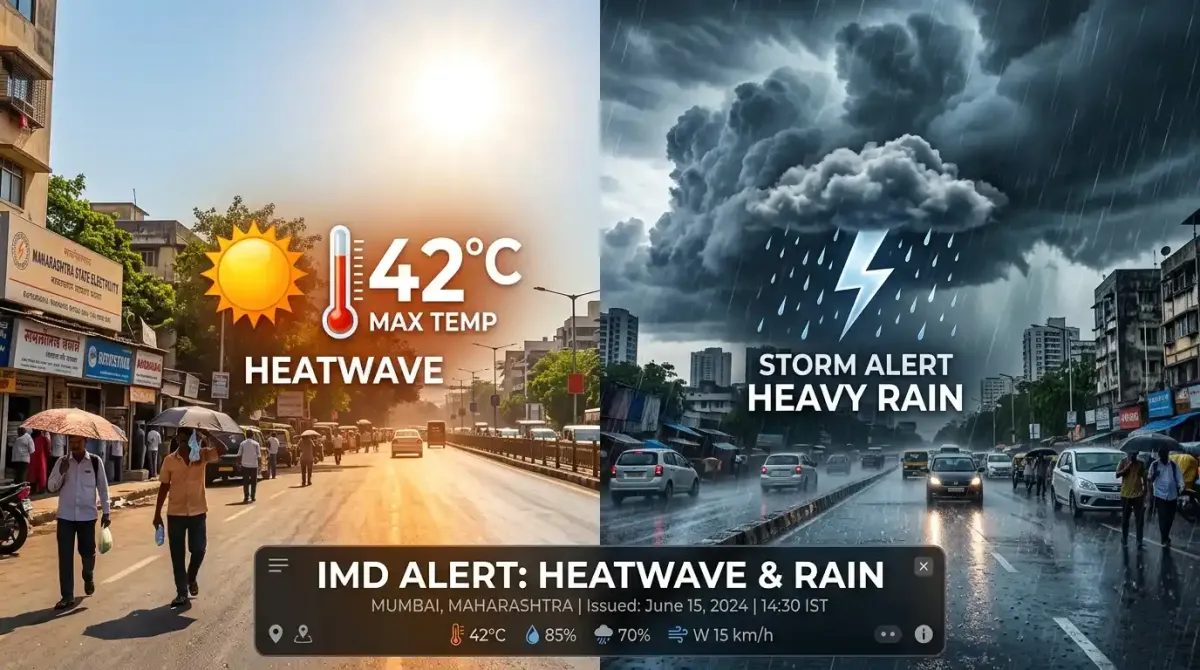
It is late afternoon in a residential colony, and the temperature outside is hovering around a punishing 44°C. Inside, families are huddled around coolers and air conditioners, hoping the humming machines continue running through the evening. Suddenly, the lights flicker and the power goes out.
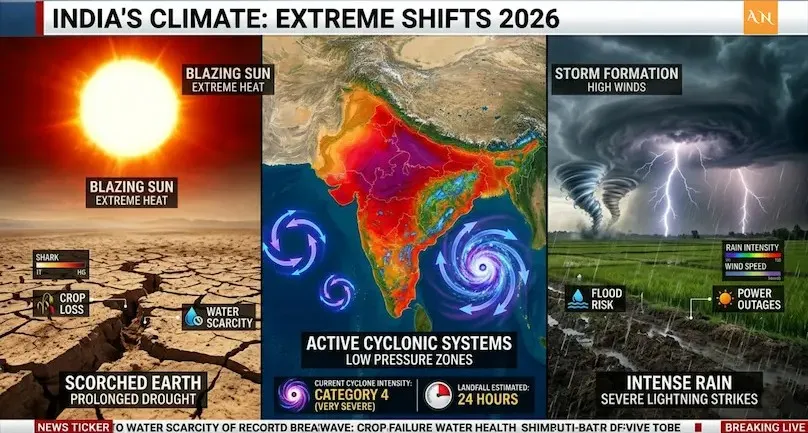
This scene is currently replaying not just in one town, but across multiple states as India faces one of its most severe heatwave seasons in recent history.
The intense, unrelenting heat has triggered an unprecedented crisis: a massive surge in peak electricity demand that placing enormous pressure on the country’s power infrastructure.
Peak Demand Breaches All-Time Records
According to fresh data from the National Load Despatch Centre, India's peak power demand has already breached historic highs this month, touching a staggering 240 gigawatts (GW).
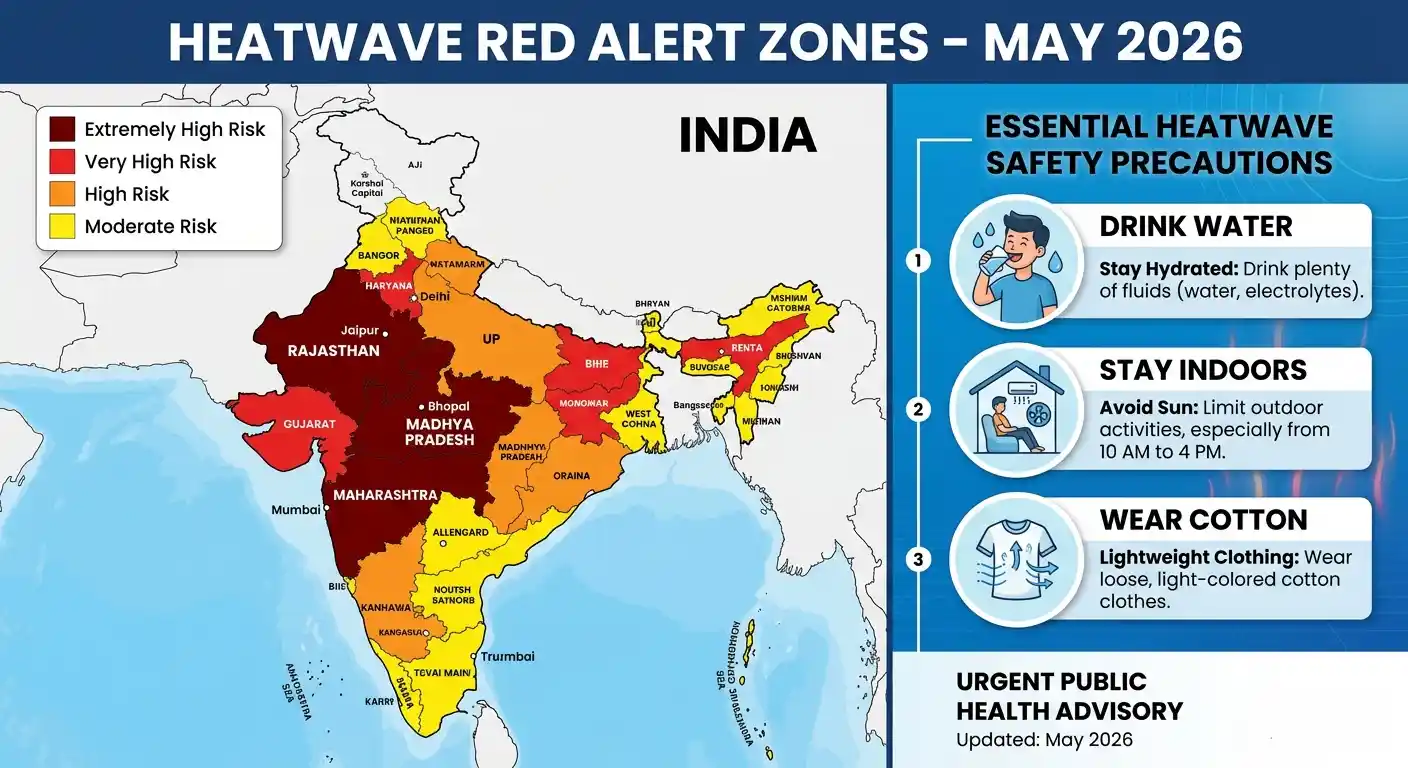
As regions like Delhi-NCR, Rajasthan, Madhya Pradesh, and parts of Maharashtra face consecutive 'Orange' and 'Red' weather alerts, air conditioning demand has surged sharply.
State electricity boards are working round-the-clock, diverting power from industrial hubs to residential sectors to prevent widespread blackouts.
Small scale industrial owners and workshop managers in regions like Chhatrapati Sambhajinagar and Pune report that sudden, unannounced load-shedding during peak afternoon hours is affecting delivery schedules and increasing their reliance on expensive diesel generators.
Coal Stocks and the Renewable Energy Gap
To keep the grids running, coal-fired thermal power plants—which still generate over 70% of India's electricity—are operating at maximum capacity.
Also Read: India Heatwave Alert: IMD Issues Red Alert for 7 States; Temperatures to Cross 48°C in May 2026
While the Ministry of Power has ensured adequate coal inventory at most plants, logistics and railway freight capacities are under immense stress to deliver coal on time.
Furthermore, while solar power helps immensely during the bright afternoon hours, the real crisis hits during the evening peak (7:00 PM to 10:00 PM) when solar generation drops to zero but household cooling demand remains at its peak.
Energy grid analysts believe that India’s current crisis highlights the urgent need for massive investment in large-scale Battery Energy Storage Systems (BESS). Without a way to store daytime solar energy for evening use, the country will continue to face acute power strain during extreme summer spikes.
Emergency Measures on the Horizon
To mitigate the risk of major grid instability, the central government has directed all imported coal-based power plants to run at full capacity and has postponed routine maintenance schedules of active generation units until the monsoon arrives.
Officials familiar with discussions between state discoms (power distribution companies) and central regulators said both sides are expected to accelerate implementation of a dynamic time-of-day tariff system in the coming months to manage peak consumer loads more effectively.
Akhand News Viewpoint:
A surging power demand during a heatwave is a clear indicator of a growing economy meeting extreme climate realities. While the government's short-term management has prevented massive grid failures so far, the long-term solution lies in fast-tracking storage technology. Access to electricity during a lethal heatwave is no longer just a comfort; it is a basic tool for human survival.