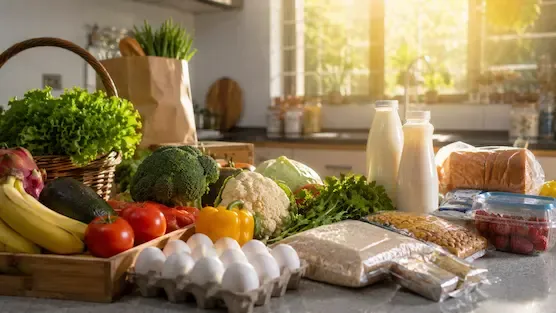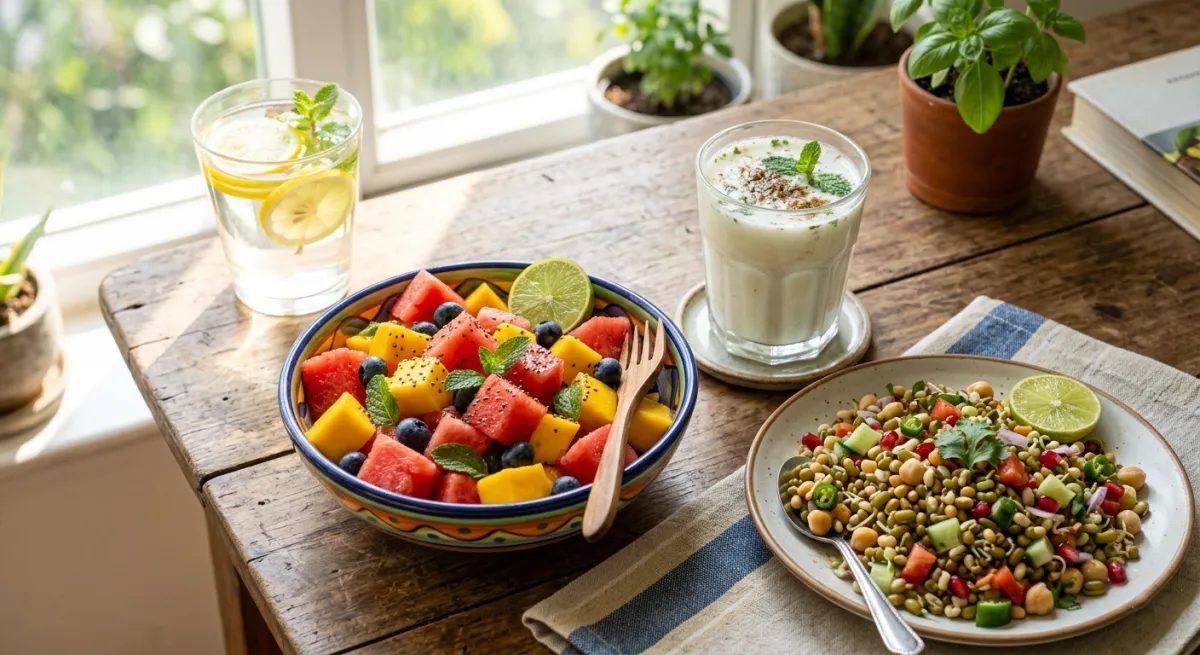
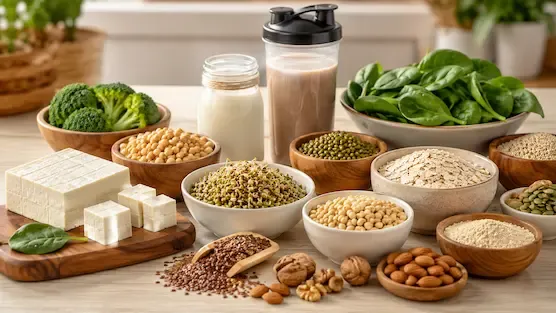
Healthy vegetarian high-protein foods including tofu, sprouts, oats, spinach, soybeans, nuts, seeds, and protein shakes arranged on a modern kitchen table with natural lighting.
Walk into any supermarket in Mumbai, Pune, Bengaluru, or Hyderabad today, and one trend instantly dominates the shelves—“High Protein” labels everywhere. Protein chips, protein coffee, protein ice cream, protein biscuits, protein oats, and even protein water are rapidly flooding India’s urban food ecosystem.
Inside crowded gyms and co-working cafeterias, young professionals are no longer discussing traditional dieting. Instead, conversations revolve around daily protein targets, muscle recovery, fat loss, and metabolic health.
What was once considered a niche fitness obsession limited to bodybuilders has exploded into a nationwide nutritional movement reshaping how India eats.
But behind the aggressive marketing campaigns and influencer-driven fitness culture lies a much deeper public health reality: India has been quietly facing a major protein deficiency problem for decades.
Despite being one of the world’s fastest-growing economies, multiple nutritional surveys and public health studies have repeatedly indicated that a significant portion of Indians consume lower-than-recommended protein levels in their daily diets.
The issue becomes even more severe among lower-income households and vegetarian populations where meals are heavily dominated by carbohydrates like rice, wheat, and processed snacks while lacking balanced protein intake.
Clinical nutritionists explain that protein is not just about bodybuilding aesthetics. It directly impacts muscle preservation, immunity, hormonal balance, metabolism, cognitive performance, and long-term healthy aging.
As awareness around preventive healthcare rises among younger Indians, protein consumption has shifted from being a “gym product” into a mainstream lifestyle priority.
The post-pandemic health consciousness wave has massively accelerated this transition.
Urban consumers are increasingly investing in gym memberships, wearable fitness trackers, personalized diet plans, and nutritional supplementation. Social media platforms have amplified this behavior by creating a culture where body transformation journeys, calorie tracking, and fitness routines dominate digital attention.
Food startups and FMCG companies have quickly identified this shift as a multi-billion-dollar business opportunity.
From whey protein brands to plant-based nutrition startups, India’s health-food market is witnessing explosive growth. Investors are aggressively funding companies focused on affordable protein snacks, millet-based products, Greek yogurt, and clean-label functional foods targeted directly at Gen-Z and millennials.
However, the rapid commercialization of fitness nutrition is also creating confusion.
Public health experts warn that many so-called “healthy protein foods” are heavily ultra-processed products packed with artificial sweeteners, sodium, preservatives, and misleading marketing claims. In several cases, the actual protein quantity remains too low to justify the aggressive branding.
This has triggered growing concerns that the health-food boom may slowly evolve into another processed-food industry disguised under wellness terminology.
Also Read: The Science of Sustainable Weight Loss in 2026: Why Your Diet Fails and How to Lose Fat Permanently
Dieticians emphasize that natural protein sources like dals, eggs, paneer, curd, soy, fish, peanuts, sprouts, milk, and traditional Indian legumes still remain among the most effective and affordable nutritional options available to ordinary households.
The biggest structural challenge remains accessibility.
While premium imported protein products dominate social media advertisements, millions of Indian families still struggle to afford balanced nutritional meals consistently. Rising food inflation has further widened the gap between aspirational wellness culture and ground-level affordability.
Nutrition policy experts argue that India’s future public health success depends not on luxury supplements, but on strengthening affordable protein access through school meals, agricultural diversification, dairy infrastructure, and awareness around traditional Indian diets.
India’s growing focus on nutrition and protein awareness is undoubtedly a positive shift toward preventive healthcare and healthier lifestyles. But true wellness cannot be built entirely on expensive imported powders or viral influencer marketing.
The real strength of Indian nutrition has always existed in simple, locally available foods rooted in traditional dietary wisdom. As the wellness industry expands rapidly, the challenge is not just making Indians health-conscious—it is ensuring that good nutrition remains affordable, balanced, and scientifically honest for every household.
Disclaimer: This article is intended for informational and educational purposes only. It does not constitute professional medical, dietary, or healthcare advice. Readers should consult qualified doctors, nutritionists, or healthcare professionals before making major dietary or lifestyle changes. Nutritional needs may vary from person to person.