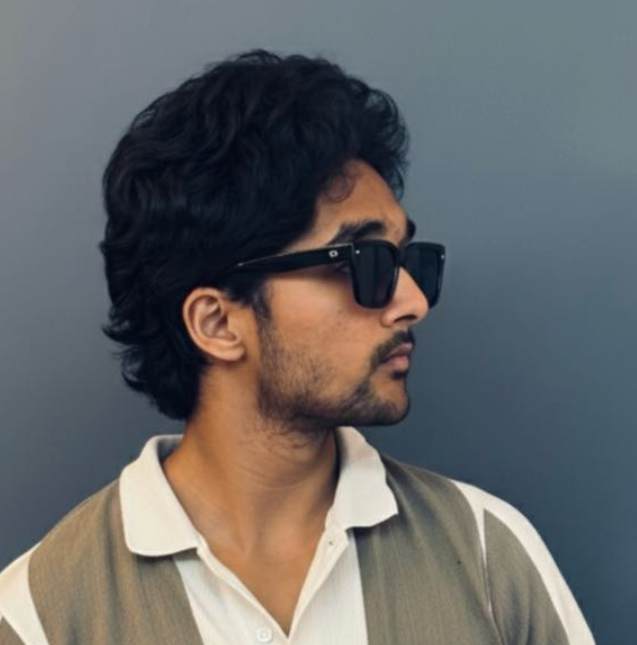
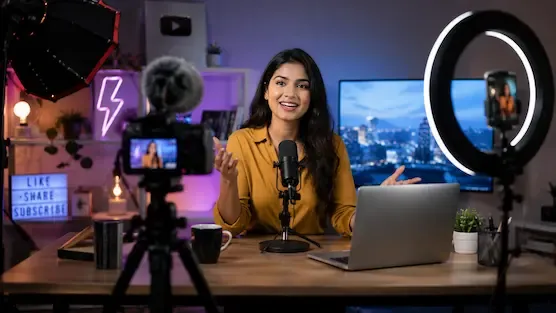
Content creators producing digital entertainment content in a modern studio environment.
A decade ago, becoming a celebrity usually required the backing of a film studio, a television network, a music label, or a major media organization.
Today, a smartphone, a camera, and a strong internet connection can be enough to build an audience of millions.
Across India and around the world, a new generation of digital creators is reshaping the entertainment landscape. YouTubers, podcasters, livestreamers, educators, gamers, comedians, and lifestyle influencers are no longer operating on the fringes of the media industry. They have become some of its most powerful figures.
The rise of the creator economy has fundamentally changed how entertainment is produced, distributed, and consumed.
For decades, entertainment followed a predictable model.
Film studios decided which actors would become stars. Television networks controlled access to audiences. Music labels determined which artists received promotion and distribution.
Digital platforms have disrupted that structure.
YouTube, Instagram, TikTok-style short-video platforms, podcasts, and livestreaming services have given creators direct access to audiences without requiring approval from traditional media gatekeepers.
A talented creator can now build a loyal following from a bedroom studio, reaching millions of viewers without ever appearing on television or in a movie.
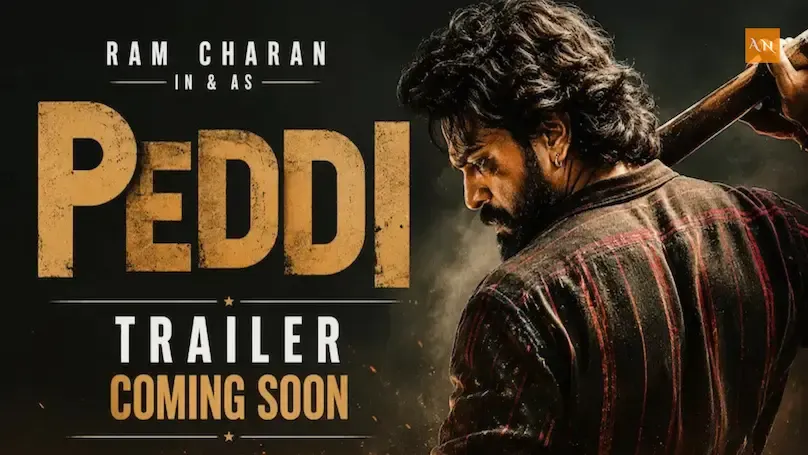
Also Read: Peddi Trailer Sparks Massive Buzz: Ram Charan’s Rugged Transformation Takes Over the Internet
This democratization of content creation has transformed entertainment from an industry controlled by a few powerful institutions into a far more decentralized ecosystem.
The creator economy is built on a simple principle: attention.
In an era where consumers are surrounded by endless content choices, the ability to consistently attract and retain audience attention has become one of the most valuable assets in media.
Unlike traditional celebrities who primarily appear through scheduled releases such as films, television programs, or albums, creators maintain constant engagement with their audiences through daily posts, live streams, stories, and community interactions.
This continuous connection often creates stronger audience loyalty than traditional entertainment formats.
For younger audiences especially, digital creators can feel more relatable, accessible, and authentic than conventional celebrities.
The economic impact of this shift has become impossible to ignore.
Advertising budgets that once flowed primarily toward television networks, print publications, and celebrity endorsements are increasingly being redirected toward creator partnerships.
Brands have discovered that creators often deliver highly targeted engagement, allowing companies to reach specific audiences more effectively.
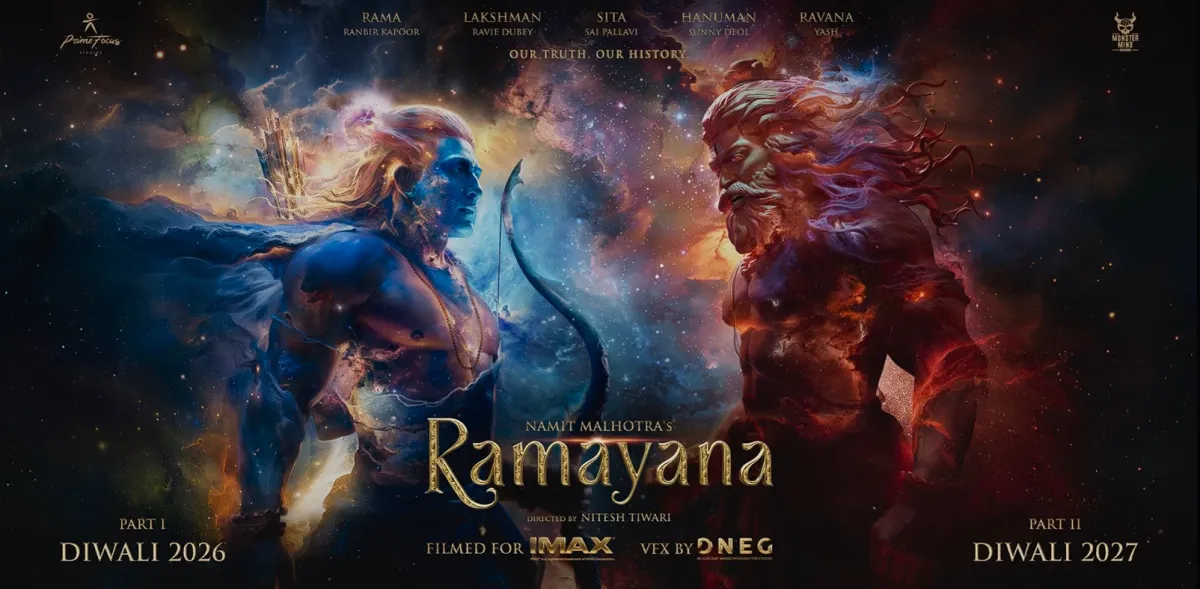
Also Read: Epic Saga Begins: Ramayana Teaser Unleashed, Ranbir & Sai Pallavi Redefine Divine Presence
From technology products and fashion labels to financial services and consumer goods, influencer marketing has evolved into a multi-billion-dollar global industry.
Many creators have transformed themselves into full-scale media businesses, employing production teams, managers, editors, researchers, and marketing specialists.
What began as individual content creation has grown into a sophisticated commercial ecosystem.
The creator economy is also expanding the definition of entertainment itself.
Comedy sketches, gaming streams, educational explainers, travel vlogs, business commentary, fitness coaching, and personal storytelling now compete alongside traditional television shows and films for audience attention.
As a result, entertainment is becoming increasingly personalized.
Rather than consuming the same content as everyone else, audiences are curating highly individualized media experiences based on their interests and preferences.
This shift is creating countless niche communities that would have been difficult to sustain in the era of traditional broadcasting.
Despite its opportunities, the creator economy faces significant challenges.
Competition is intense, platform algorithms change frequently, and audience preferences can shift rapidly.
Many creators also face pressure to continuously produce content in order to remain visible and relevant.
Also Read: Beyond Dhurandhar: Riteish Deshmukh’s ‘Raja Shivaji’ Teaser Takes the Internet by Storm
Questions surrounding misinformation, copyright protection, digital well-being, and monetization fairness remain active concerns across the industry.
As the sector matures, regulators, platforms, and creators themselves continue searching for sustainable solutions that balance growth with responsibility.
Industry analysts increasingly view creators as a permanent pillar of the entertainment ecosystem rather than a temporary trend.
Traditional media companies are already adapting by partnering with digital creators, investing in creator-led content, and developing platform-specific strategies.
Meanwhile, creators are expanding into podcasts, streaming platforms, merchandise businesses, live events, publishing, and even mainstream film and television projects.
The line separating traditional celebrities and digital creators is becoming increasingly blurred.
What matters most is no longer where a performer begins.
It is whether they can build and sustain an audience.
The creator economy represents one of the most significant shifts in entertainment since the rise of television.
For the first time in history, millions of people have the opportunity to build audiences without relying on traditional media institutions. This democratization has unlocked extraordinary creativity and opened new pathways for talent across regions, languages, and social backgrounds.
However, influence should not be confused with impact.
As creators become more powerful, the responsibility that comes with shaping public opinion, culture, and consumer behavior becomes equally important.
The future of entertainment will likely belong to those who can combine creativity, authenticity, and trust. In a world overflowing with content, audiences may ultimately value genuine connection more than celebrity status itself.