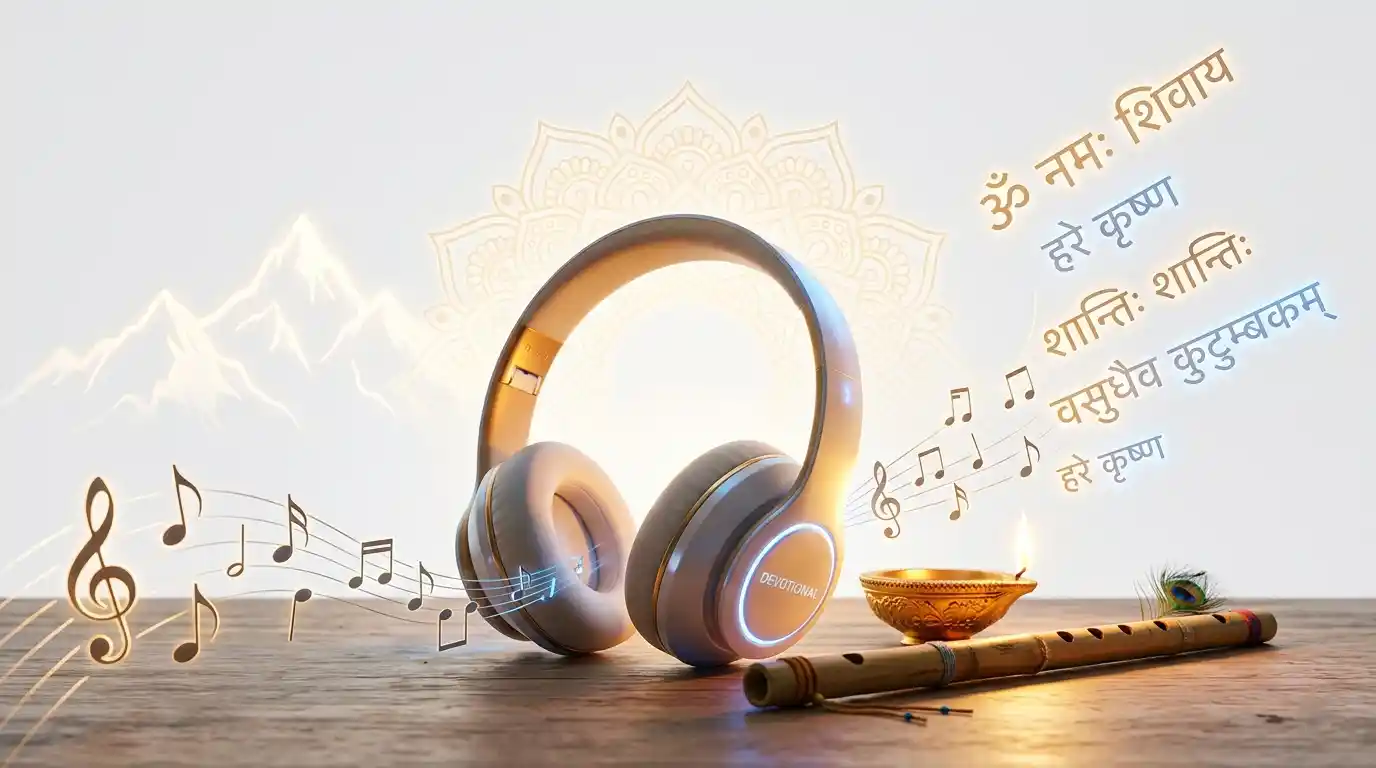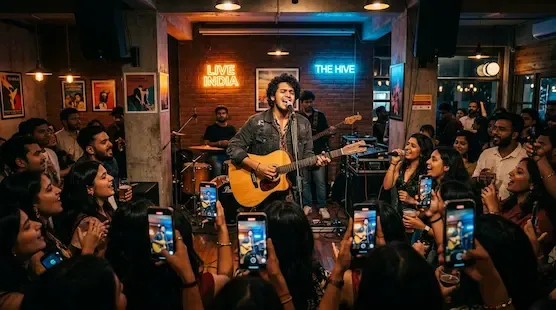

Independent musician recording music in a modern home studio environment representative image.
For decades, success in the music industry followed a familiar formula.
Artists needed major record labels, expensive studio contracts, radio airplay, and significant marketing budgets to reach large audiences. The path from an unknown musician to a recognized artist was often controlled by a handful of powerful gatekeepers.
Today, that system is undergoing a dramatic transformation.
The rise of streaming platforms has fundamentally changed how music is discovered, distributed, and consumed. As a result, independent musicians are finding opportunities that were almost unimaginable a generation ago. Across India and around the world, artists working outside traditional record label structures are building loyal audiences, generating millions of streams, and shaping the future of music culture.
The streaming era has created a level playing field that is redefining what success means in the music business.
The End of Traditional Gatekeeping
In the past, artists often depended on record companies to finance recordings and secure distribution. Without industry support, reaching national or international audiences was extremely difficult.
Streaming platforms changed that equation.
Today, musicians can upload their songs directly to digital services and make their work available to listeners across the world within hours. This shift has reduced barriers to entry and allowed talented artists to reach audiences based on creativity rather than industry connections.
For listeners, it has expanded choice. Instead of relying solely on radio stations or television channels, audiences can explore thousands of independent artists from different regions, languages, and musical styles.
Also Read: Why Bandar Is Becoming One of the Year's Most Talked-About Films
Algorithms Are Changing Music Discovery
One of the biggest reasons independent music is thriving is the way streaming platforms recommend content.
Modern recommendation systems analyze listening habits, playlists, and user preferences to introduce listeners to new songs. As a result, an independent artist can appear alongside globally recognized stars if the music resonates with listeners.
This represents a major departure from traditional media models where exposure often depended on advertising budgets or label influence.
A well-produced independent track can gain traction through playlists, social sharing, and algorithmic recommendations, sometimes reaching millions of listeners without a major promotional campaign.
The Rise of Regional and Local Sounds
The streaming revolution has also accelerated the growth of regional music.
In India, songs in Punjabi, Tamil, Telugu, Marathi, Bengali, and several other languages are attracting audiences far beyond their traditional geographic markets. Listeners increasingly explore music based on mood and personal preference rather than language barriers.
This trend has allowed independent musicians to celebrate local cultures and identities while reaching national and international audiences.
Many industry observers believe streaming has helped create one of the most diverse musical environments in history.
Social Media and Music Go Hand in Hand
The relationship between music and social media has become increasingly important.
Short-form video platforms, online communities, and creator ecosystems often help independent songs gain momentum. A track that becomes popular through user-generated content can rapidly reach millions of people, creating opportunities that previously required large-scale marketing campaigns.
Unlike traditional promotion, where artists waited for media exposure, today's musicians can interact directly with audiences, build communities, and grow their brands organically.
This direct connection often creates stronger loyalty between artists and listeners.
Also Read: Peddi Trailer Sparks Massive Buzz: Ram Charan’s Rugged Transformation Takes Over the Internet
Creative Freedom Matters
Another factor driving the growth of independent music is artistic freedom.
Without the pressure to fit specific commercial expectations, independent musicians often experiment with new sounds, unconventional storytelling, and niche genres. This creative flexibility has contributed to a wider variety of music being produced and consumed.
Listeners increasingly value authenticity, and many independent artists are able to build dedicated fan bases by staying true to their artistic vision rather than chasing mainstream trends.
As streaming continues to diversify the market, originality is becoming a competitive advantage.
Challenges Remain
Despite its opportunities, the independent music landscape is not without challenges.
Revenue distribution, discoverability, and financial sustainability remain concerns for many creators. While streaming provides global access, generating consistent income can still be difficult without large audiences or multiple revenue streams.
Independent artists often manage recording, marketing, branding, and audience engagement simultaneously. Success therefore requires not only musical talent but also entrepreneurial skills.
Even so, many musicians view independence as a worthwhile trade-off for greater creative control and ownership.
The streaming era has done more than change how people listen to music—it has changed who gets the opportunity to be heard.
Independent artists are no longer confined to small local audiences. Through technology, they can reach listeners across cities, countries, and continents without relying on traditional industry structures.
While major labels continue to play an important role in the global music business, the rise of independent music demonstrates a broader cultural shift. Talent, creativity, and authenticity now have more pathways to success than ever before.
The future of music may not belong solely to the biggest stars. Increasingly, it belongs to the artists who can connect directly with listeners in a world where every stream has the potential to become a breakthrough moment.