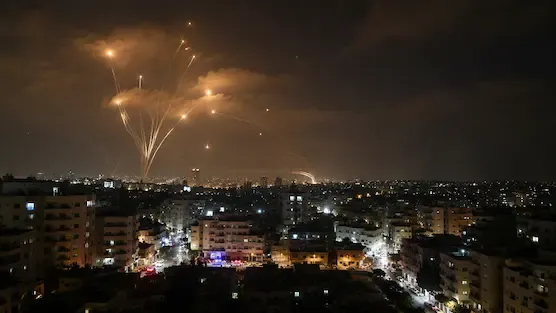
Night skyline showing defensive missile interceptions during a period of heightened regional tensions. Representative image used for illustrative purposes.
The fragile calm that had briefly reduced tensions in the Middle East has once again come under pressure.
Over the weekend, Iran and Israel exchanged direct military strikes, raising fresh concerns that the region could slide back into a broader confrontation. According to multiple international reports, Iran launched missile attacks toward Israel following Israeli military operations linked to developments in Lebanon.
Israel later confirmed that its forces had carried out strikes on military targets in western and central Iran in response.
For international observers, the significance of these events goes beyond the immediate battlefield. Direct exchanges between the two regional rivals have historically carried the risk of drawing in allied groups, neighboring states, and global powers with strategic interests across the Middle East.
The latest escalation appears to have unfolded after Israeli operations in Beirut's southern suburbs triggered strong reactions from Tehran.
Iranian officials argued that recent military actions were undermining diplomatic efforts and warned that further escalation could destabilize the wider region. At the same time, Israeli authorities stated that their operations were a response to incoming missile attacks and were aimed at military infrastructure rather than civilian targets.
Military analysts note that the renewed exchanges come at a particularly sensitive moment. Earlier ceasefire understandings had helped reduce direct confrontation, but the latest incidents have highlighted how quickly regional tensions can return.
Reports from international media suggest that several waves of missiles and retaliatory strikes were recorded over a short period, making this one of the most serious direct confrontations between the two countries in recent months.
Beyond the military dimension, financial markets reacted almost immediately.
Investors closely monitor instability in the Middle East because the region remains central to global energy supplies and international shipping routes.
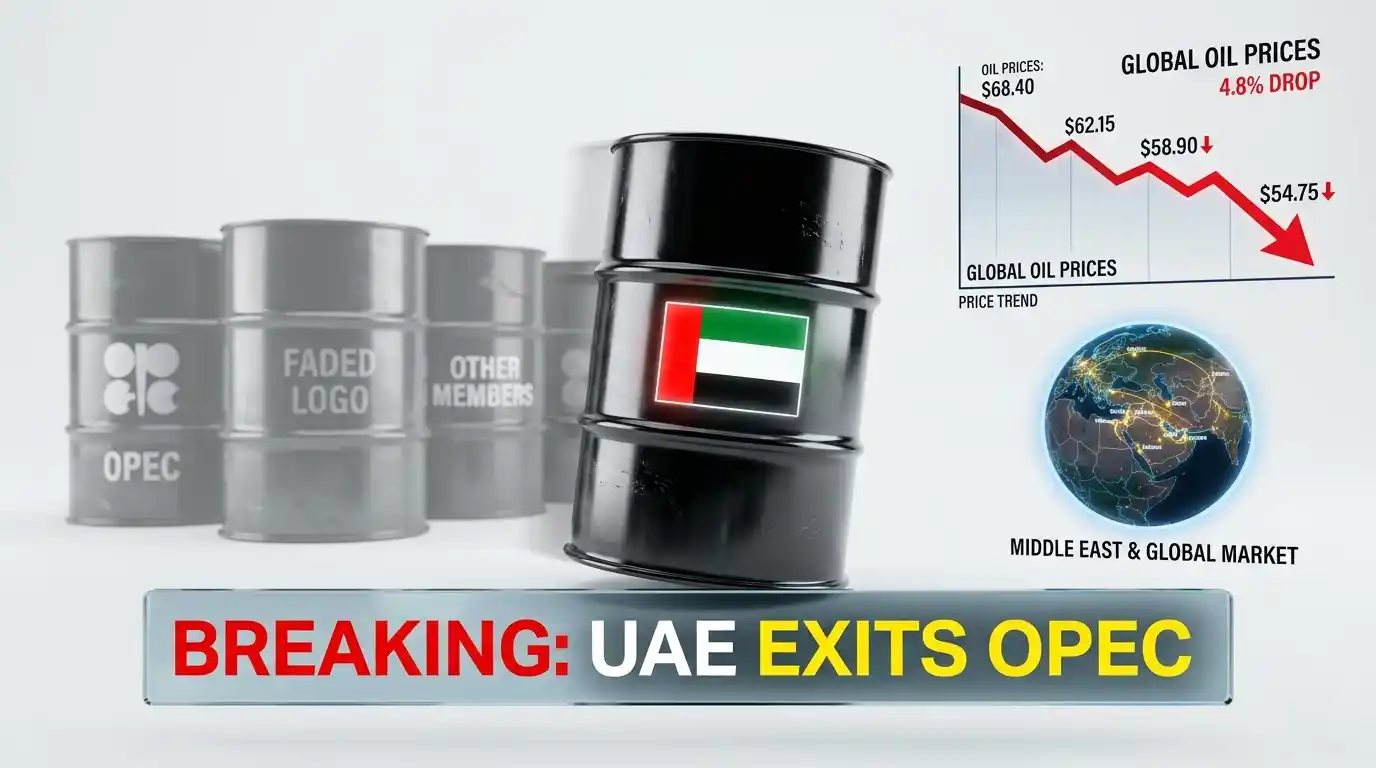
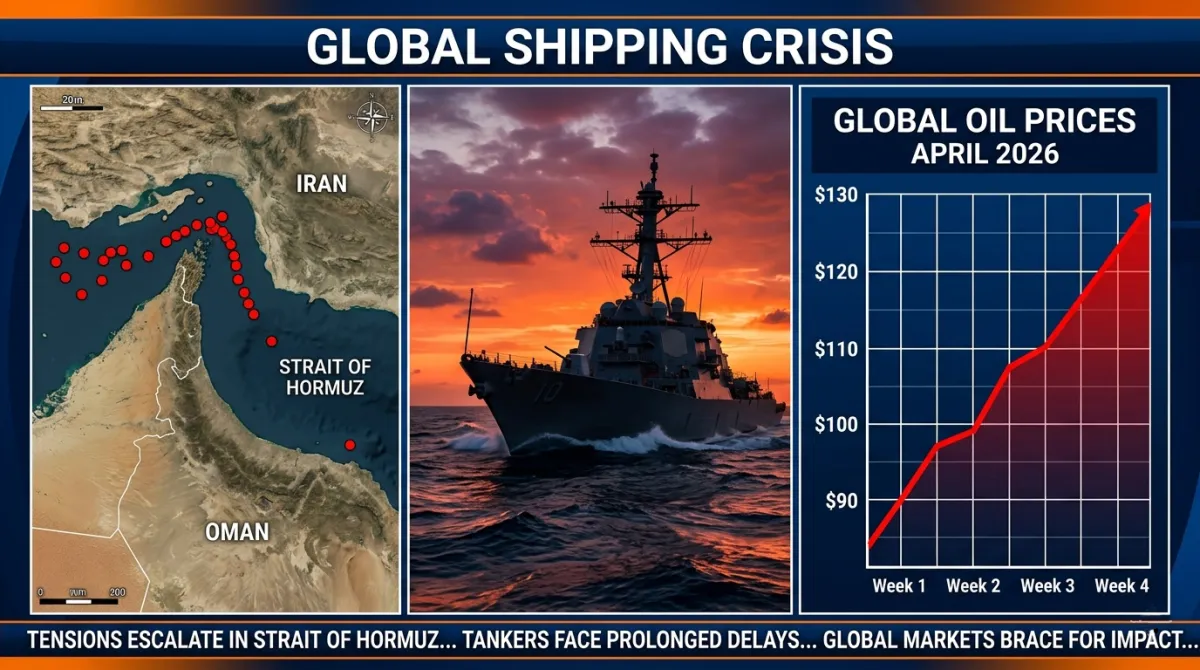
Following reports of the latest exchanges, major Gulf stock markets moved lower while oil prices strengthened amid concerns over possible supply disruptions. Brent crude prices climbed as traders evaluated the potential impact of prolonged instability on global energy markets.
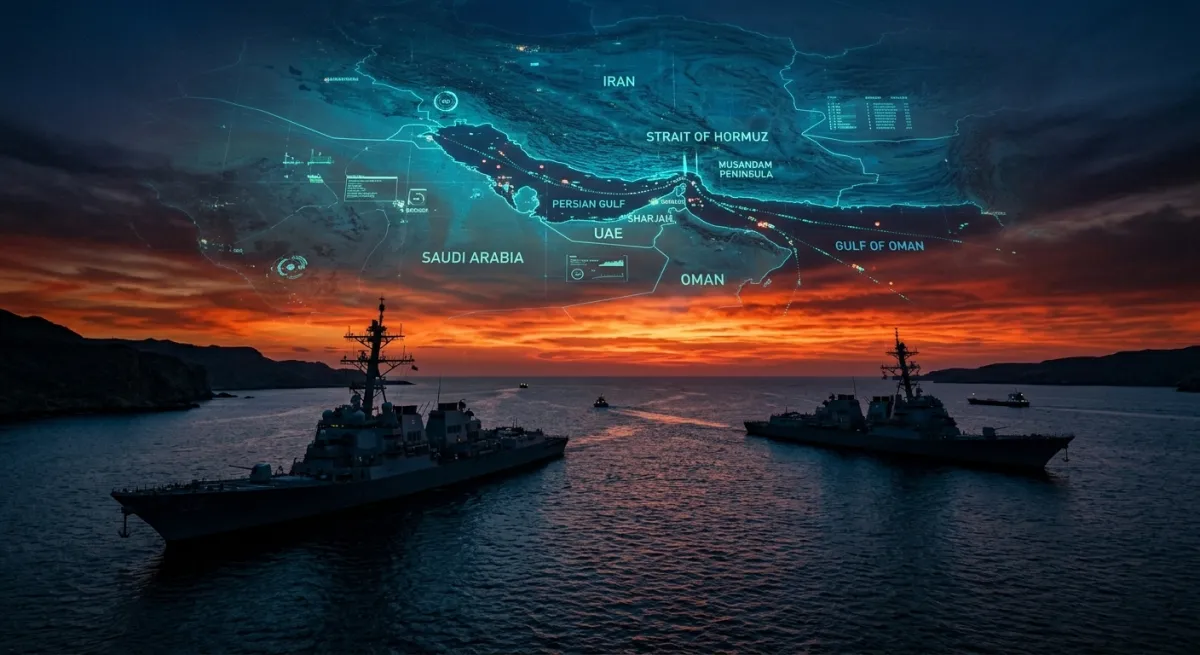
Shipping and logistics experts are also watching developments carefully. The wider regional situation has already increased attention on strategic maritime corridors, including the Red Sea, where security concerns have periodically disrupted commercial traffic.
Any sustained escalation could have consequences that extend well beyond the Middle East, affecting transportation costs and international trade.
Diplomatic efforts, however, continue alongside the military activity.
International leaders have called for restraint, and reports indicate that discussions aimed at preventing a wider conflict remain active. Statements from Washington have suggested that efforts toward an immediate ceasefire are continuing, although officials have also acknowledged that the situation remains highly unpredictable.
For ordinary people across the region, the renewed tensions create uncertainty that goes far beyond military calculations. Air-raid sirens, emergency preparedness measures, and fears of further escalation have once again become part of daily life in affected areas, reminding the world that geopolitical rivalries often carry significant humanitarian consequences.
The latest Iran-Israel confrontation demonstrates how quickly localized military incidents can evolve into broader regional crises. While diplomatic channels remain open, the renewed exchange of strikes highlights the importance of sustained international efforts to prevent further escalation.
For the global community, the story is not only about missiles and military operations. It is also about energy security, international trade, financial stability, and the human cost that prolonged conflict inevitably brings.