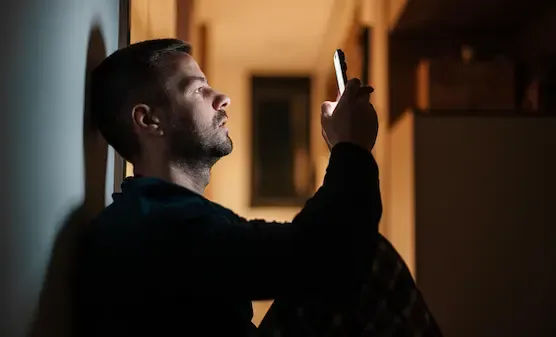
Young professional sitting alone at night reflecting on stress, loneliness, and emotional exhaustion in modern urban life.
Every morning, millions of people wake up already feeling tired.
Not physically tired alone — mentally tired.
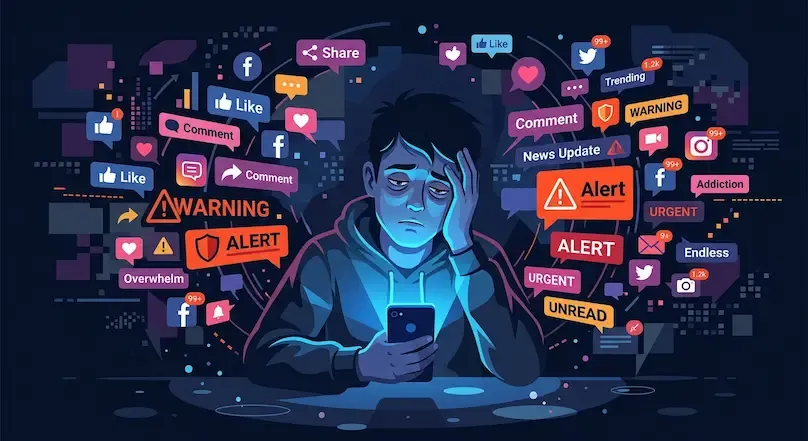
The strange part is that many of them are doing everything society once said would create a “good life.” They have jobs, smartphones, internet access, salaries, entertainment, and constant digital connection. Yet despite all this, stress, loneliness, anxiety, burnout, and emotional exhaustion are quietly becoming part of everyday life.
In cities, people spend hours in traffic chasing deadlines. In smaller towns, young professionals struggle with career pressure and financial uncertainty. Students carry the weight of expectations before even entering adulthood. Families sit together while everyone scrolls separately on their phones.
People are connected more than ever before — but many have never felt more emotionally disconnected.
This is no longer just an individual problem. It is becoming a social reality.
The Silent Pressure of Modern Life
For many people, life no longer feels slow enough to breathe.
Work follows people home through phones, emails, and notifications. Social media constantly creates comparison. Productivity has become a lifestyle identity where resting often feels like guilt.
Mental health experts increasingly warn that workplace stress and burnout are becoming deeply normalized across India. Long working hours, performance pressure, job insecurity, and constant digital availability are contributing to chronic stress levels.
Research on Indian workplaces has also shown that poor work-life balance significantly increases emotional exhaustion and even influences whether employees want to leave their jobs entirely.
The dangerous part is that many people no longer recognize stress because it has become routine.
People say things like:
“I’m managing.”
“It’s normal.”
“Everyone is stressed.”
But surviving constantly under pressure is not the same as living peacefully.
Also Read: The Digital Zen: Mastering Mental Wellbeing in the Age of Constant Connectivity
Success Without Peace Is Creating Emptiness
One of the biggest modern contradictions is this:
Many people are achieving more while feeling less fulfilled.
A recent discussion highlighted by wellness experts described how people are increasingly “living like machines” — chasing productivity while losing friendships, health, emotional connection, and purpose.
Money and professional growth matter. But human beings also need:
- meaningful relationships
- emotional safety
- rest
- hobbies
- purpose
- silence
- real conversations
Without these things, even successful lives can begin feeling emotionally empty.
This is especially visible among younger professionals.
Online discussions across India increasingly show people talking openly about burnout, isolation, exhaustion, and emotional numbness. Many young workers describe feeling trapped between financial pressure and the fear of falling behind.
Why Loneliness Is Increasing
Modern loneliness does not always look dramatic.
Sometimes it looks like:
- eating alone every day
- having nobody to call during stress
- scrolling for hours at night
- laughing online but feeling empty offline
- having followers but no emotional support
Studies and mental health reports increasingly show rising emotional strain and loneliness across urban populations.
Many people are now surrounded by constant noise but rarely experience emotional presence.
Technology itself is not the enemy. But endless digital consumption without emotional balance slowly damages mental peace.
The Biggest Mistake People Make
One of the biggest mistakes modern society makes is treating rest as weakness.
People are praised for:
- sleeping less
- working constantly
- staying busy
- sacrificing health
- ignoring emotions
But the body and mind eventually react.
Medical experts now openly warn that unmanaged stress affects sleep, concentration, immunity, heart health, emotional stability, and long-term mental wellbeing.
Burnout is not simply “being lazy” or “feeling low.”
It is often the result of living too long without emotional recovery.
So What Is the Real Solution?
The solution is not abandoning ambition or success.
The solution is balance.
Mental health experts repeatedly emphasize that work-life balance, emotional support systems, and healthier routines are essential for long-term wellbeing.
But balance is not created in one day.
It starts with small decisions:
- sleeping properly
- reducing unnecessary comparison
- spending time offline
- exercising regularly
- talking honestly with trusted people
- setting boundaries with work
- limiting constant phone exposure
- asking for help when needed
Most importantly, people need to stop believing that struggling silently is strength.
Even a simple conversation can reduce emotional pressure significantly.
Happiness Is Often Simpler Than People Think
Modern culture constantly teaches people to chase “more.”
More money.
More followers.
More productivity.
More achievements.
But many people who appear successful externally are privately exhausted internally.
Real happiness is usually built from simpler things:
peace of mind, emotional stability, supportive relationships, meaningful work, good health, enough rest, feeling understood
A person does not need a perfect life to feel emotionally healthy.
They need a life where they can breathe without constantly feeling afraid, rushed, or emotionally alone.
The modern world has become extremely fast, competitive, and digitally connected — but emotional wellbeing has not evolved at the same speed.
People are not weak for feeling tired.
They are often overwhelmed.
As stress, loneliness, and burnout quietly increase across society, perhaps the real challenge is no longer becoming successful alone.
Perhaps the bigger challenge is learning how to remain mentally peaceful, emotionally healthy, and genuinely human while chasing success.