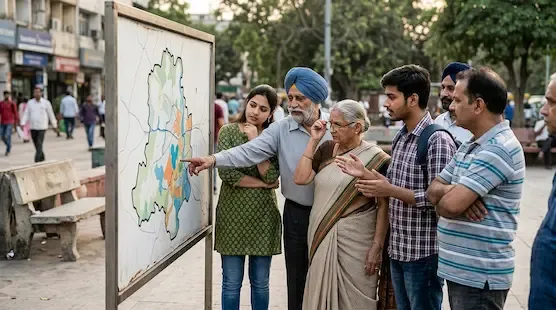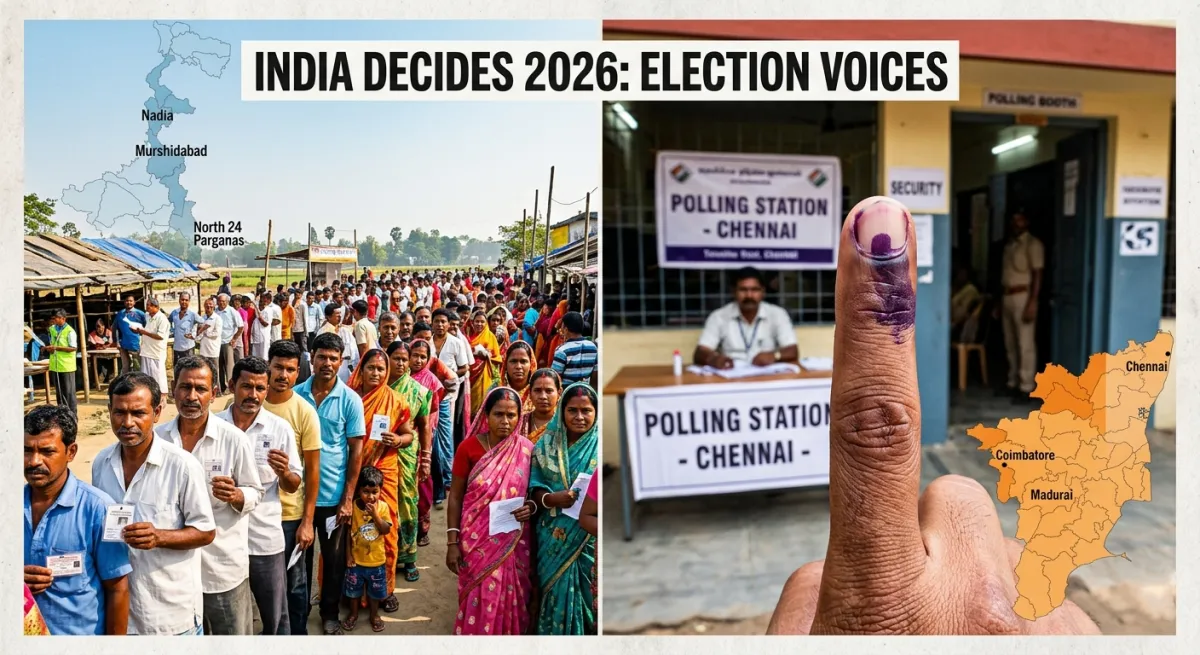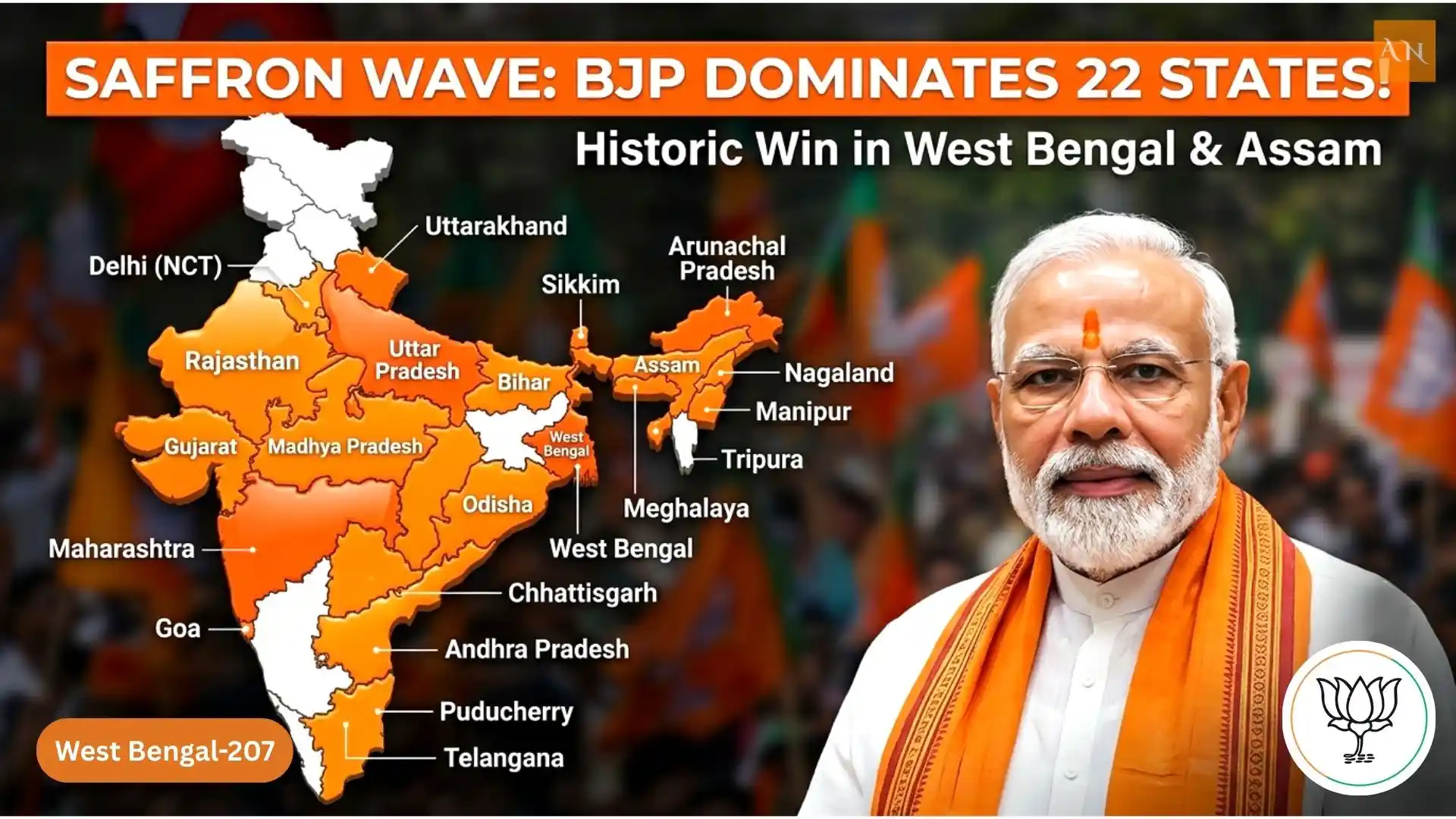
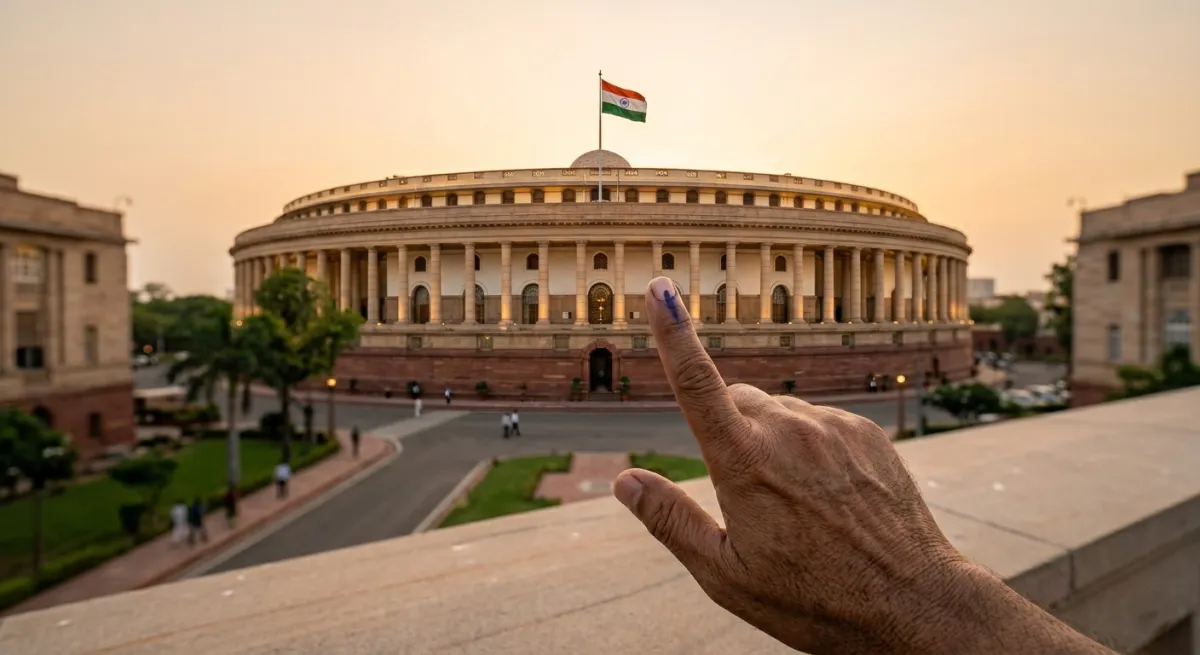
The Indian flag background representing democracy and elections in 2026.
Introduction: As we enter the second quarter of 2026, the Indian political landscape is heating up with multiple state assembly elections on the horizon. From major policy announcements to the formation of new regional alliances, the battle for governance is witnessing a strategic shift. Political pundits are calling this a "litmus test" for both national and regional parties ahead of the next big cycle.
1. The Rise of Regional Powerhouses
In 2026, the focus has shifted significantly toward regional parties. Local issues like urban infrastructure, agricultural subsidies, and youth employment are dominating the headlines. National parties are now actively seeking smaller allies to consolidate their vote banks in key battleground states.
2. Digital Campaigning 2.0
Politics in 2026 is no longer just about rallies on the ground. Parties have deployed sophisticated AI-driven outreach programs to connect with Gen-Z voters. Personalized messaging and virtual town halls have become the new standard for political communication, making this the most tech-savvy election cycle in Indian history.
3. Key Policy Deciders: Welfare vs. Development
The debate between 'Welfare Schemes' and 'Infrastructure Development' continues to be the central theme. While some states are focusing on direct benefit transfers (DBT) for women and farmers, others are banking on high-speed rail projects and new industrial corridors to attract voters.
4. Youth and First-Time Voters
With a significant percentage of the population being under 30, political parties are tailoring their manifestos to address concerns about the "Gig Economy" and "Digital Literacy." The youth vote is expected to be the ultimate kingmaker in the 2026 results.
Conclusion: The 2026 elections are shaping up to be a test of resilience and adaptability. As parties fine-tune their strategies, the ultimate winner will be the one that balances traditional grassroots connectivity with modern digital governance. Stay tuned to Akhand News for unbiased, ground-level reporting on every major political move.
Disclaimer: This report is based on current political trends and public announcements. Akhand News remains neutral and does not endorse any political party or ideology.